Blog

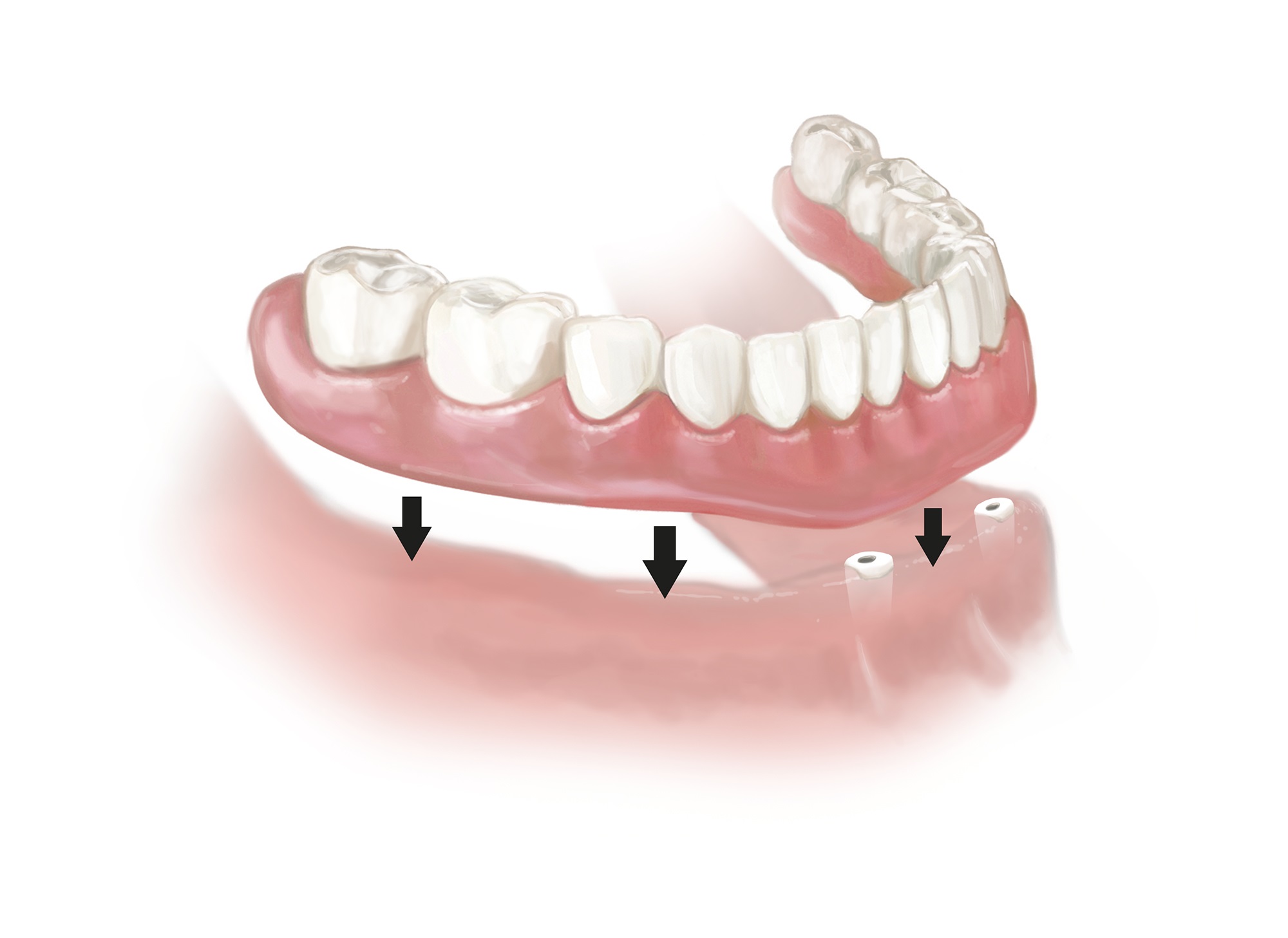
The overdenture

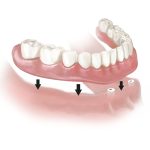
You will receive an overdenture. This is a significant change, as your new dentures will play an important role in chewing and speaking. In addition, your artificial teeth are very important for your appearance. After all, your teeth are the first thing people notice. With ‘regular’ dentures, the roots of your own teeth are not used. With an overdenture, they are.
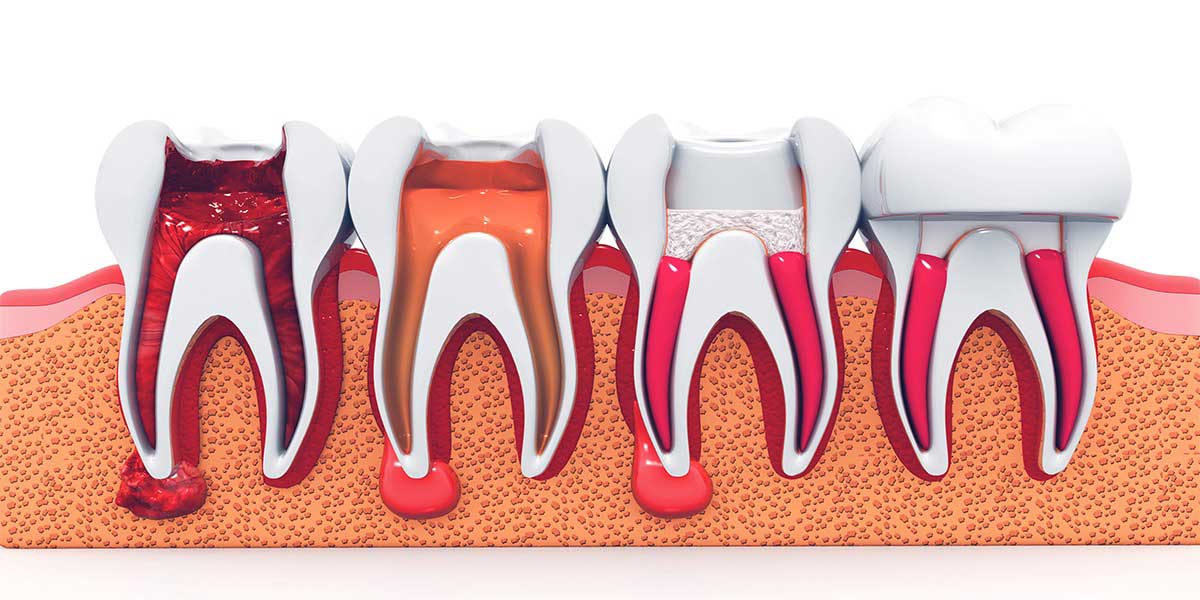
Root canal treatment

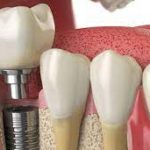
Teeth consist of a crown and one or more roots. The crown is the part you can see. The roots are not visible. They are anchored in the jawbone beneath your gums. Each root has a canal, called the root canal. This canal contains nerve fibres and small blood vessels. This living tissue is also known as pulp. If the tissue is inflamed or has been inflamed, the dentist will perform root canal treatment.

Changing: From milk teeth to permanent teeth

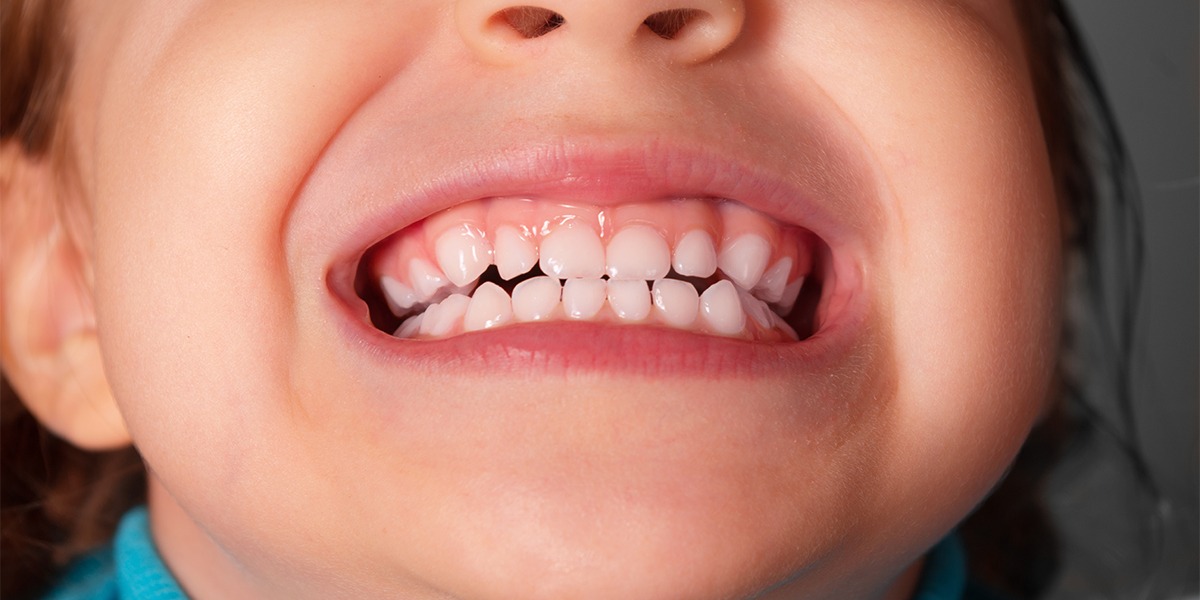
Most children start losing their milk teeth at the age of 6. The transition period is a very important phase in the development of the permanent teeth. The permanent teeth erupt according to a specific pattern (see diagram). The permanent tooth dissolves the roots of the milk tooth, as it were. This causes the milk tooth to become loose and fall out. The permanent tooth replaces it.

Waiting room leaflet: prevent tooth erosion in your child!

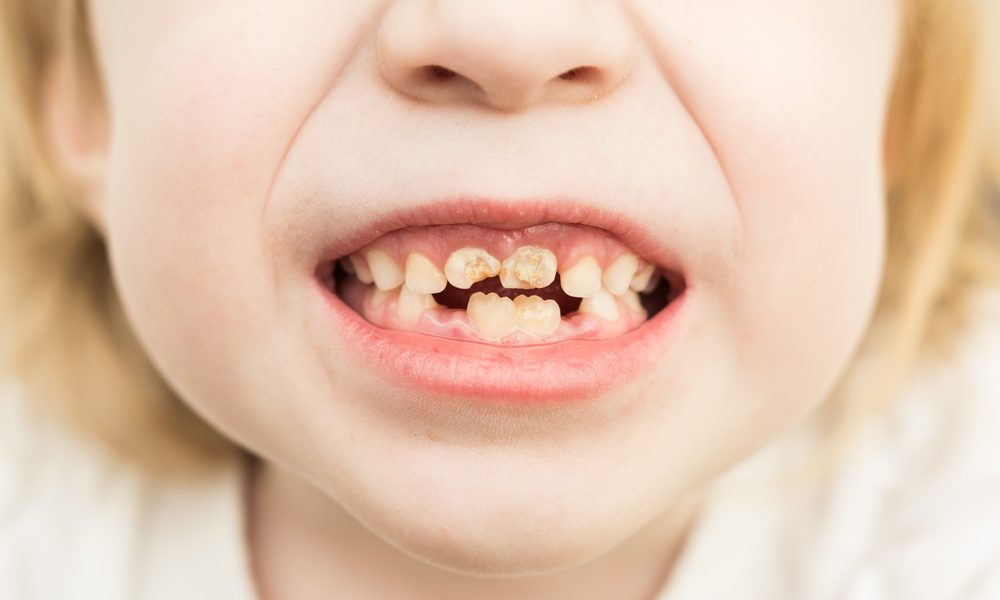
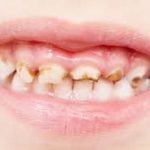
All children love sweets and lemonade. All parents know that eating sweets causes cavities because they contain a lot of sugar. Far fewer parents know that many sweet products also contain acids. You cannot taste them because the sweet taste dominates. However, these added acids in food and drinks cause another problem for children's teeth: tooth erosion. The enamel on your child's new permanent teeth is not yet fully hardened. This makes children's teeth extra vulnerable to acids.

Waiting room leaflet: your mouth, fresh and healthy!

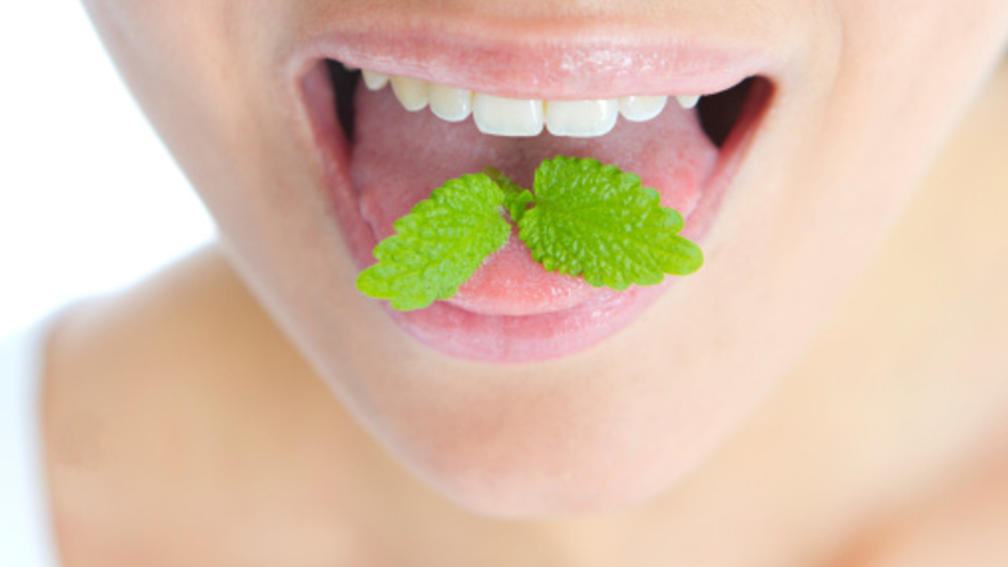
A healthy mouth allows you to eat and drink without any problems. And a fresh mouth naturally looks beautiful. Good oral care helps you maintain this. Do you know what you need to do to keep your mouth healthy?

Waiting room leaflet: brushing your first tooth

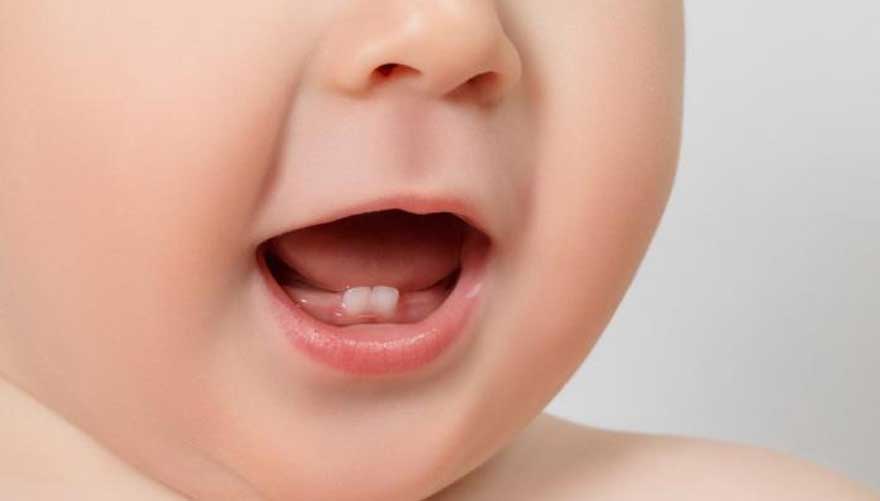
Your baby is already 6 months old. A milestone. There is a good chance that a tooth will erupt soon. You may already see a thickening in the middle of the lower jaw. That is where the first tooth will appear. Start brushing teeth as soon as you see the first tip of the tooth.

From natural teeth to dentures

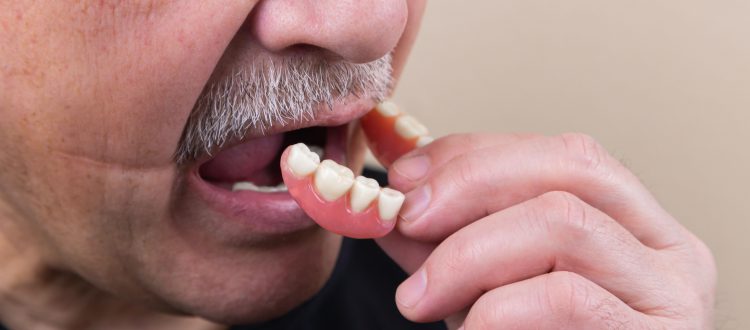
You are getting dentures. This is a big change, because your new dentures play an important role in chewing and speaking. What's more, your dentures are very important for your appearance. After all, your teeth are the first thing people notice about you.

Dental injury

Go straight to the dentist with the broken tooth. Keep the broken piece wet! The dentist will assess whether the broken piece can be reattached. If reattachment is not possible, the dentist will repair the tooth with tooth-coloured material (composite). If there are no complaints, the dentist will usually do nothing about a broken milk tooth. If necessary, he or she will smooth the sharp edge of the tooth so that your child does not damage their tongue.

Tooth erosion, how can you prevent it?

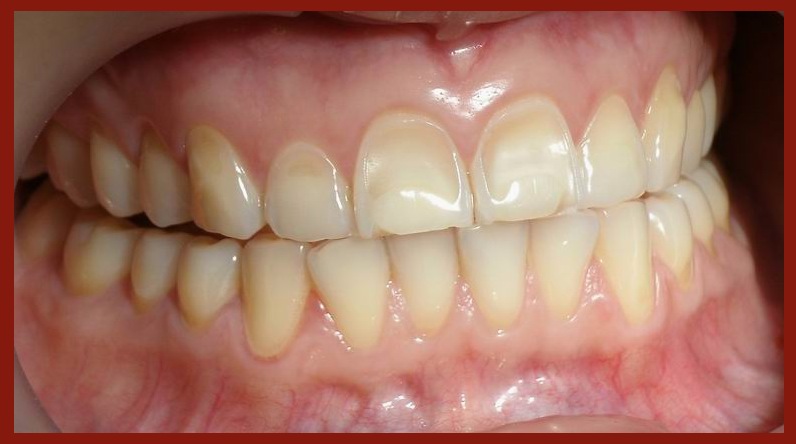
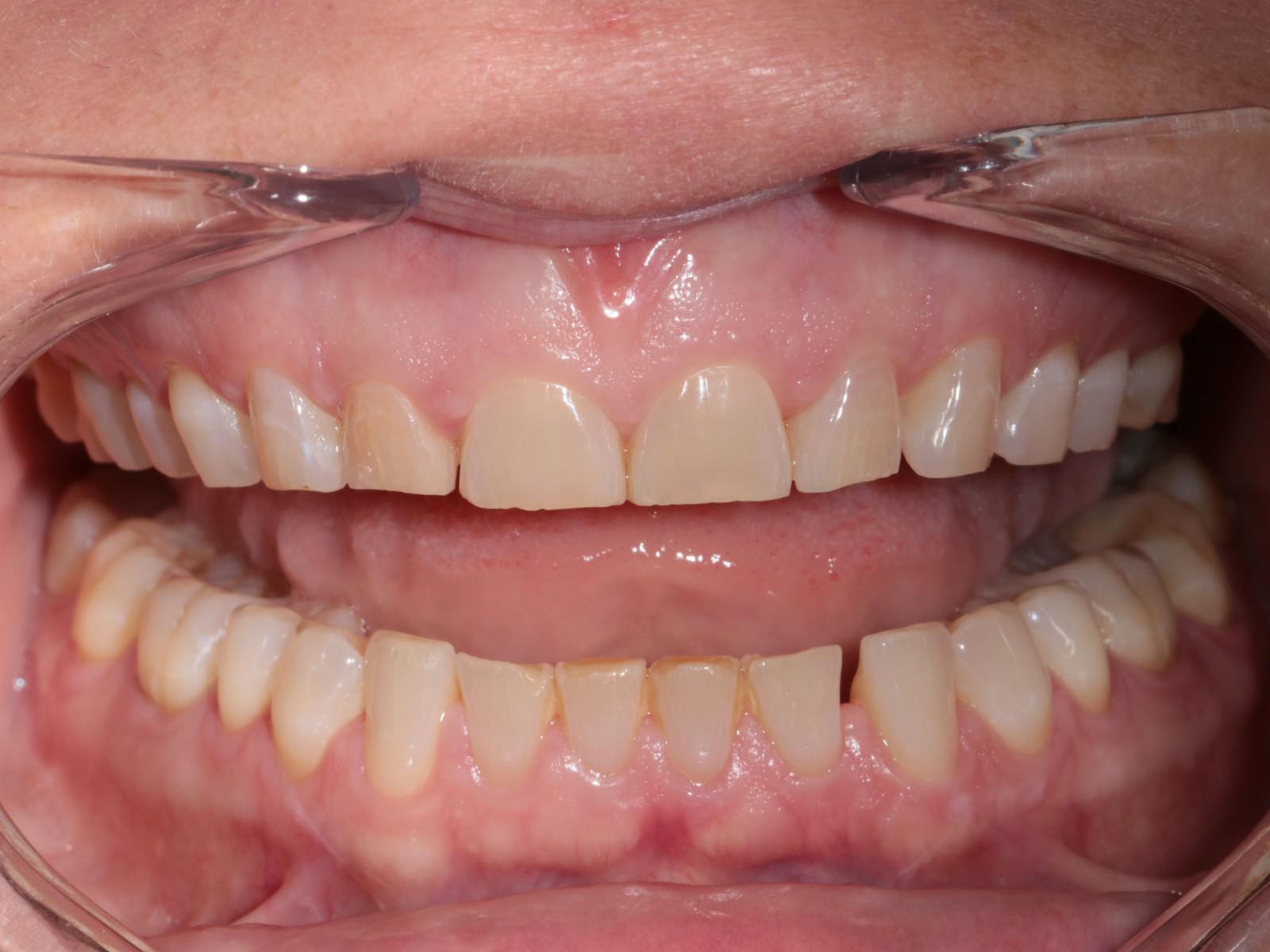
Cavities (dental caries) are caused by bacteria in the mouth. These oral bacteria produce acid from sugars and other carbohydrates (such as those found in pasta, potatoes and bread). This acid causes dental caries. Tooth erosion is the wearing away of tooth enamel by acids from food and drink or from the stomach. Eating habits have changed dramatically in recent years. For example, soft drinks and sports drinks are being consumed more often and in greater quantities. This results in tooth erosion. Here you can read how to prevent tooth erosion.

Toothpicks

Good oral hygiene keeps your teeth and gums healthy. Brushing your teeth twice a day for two minutes with fluoride toothpaste is the basis for this. A toothbrush alone cannot always clean the spaces between your teeth properly. You can use toothpicks, for example, to do this.

Latest posts

🆘 Rush? Call 0900-8602