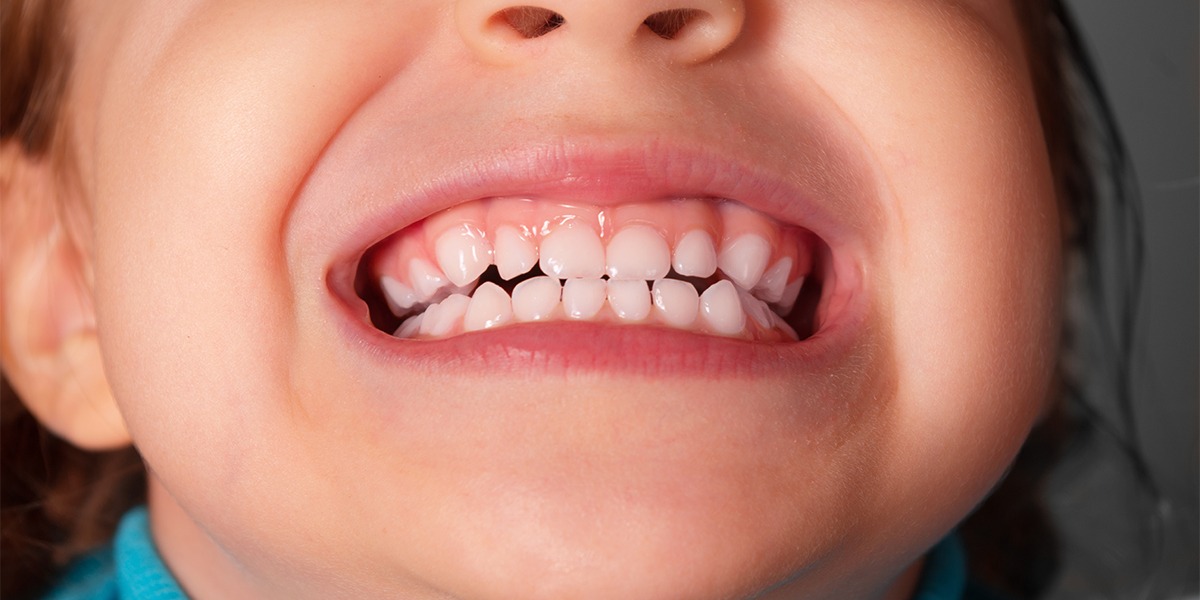
Permanent teeth replace milk teeth
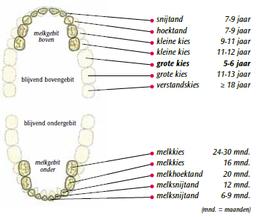 At this age, the teeth usually erupt.
If you brush your teeth lengthwise, you will miss the new permanent molar that is coming through (photo 1). New molars are particularly vulnerable. Place the toothbrush perpendicular to the row of teeth (photo 2).
Most children start losing their teeth at the age of 6.e year. The transition period is a very important phase in the development of permanent teeth. The eruption of permanent teeth follows a specific pattern (see diagram). The permanent tooth dissolves the roots of the milk tooth, as it were. This causes the milk tooth to become loose and fall out. The permanent tooth takes its place.
Many children and parents do not notice when the first permanent molars erupt. This usually happens before the front teeth change. They erupt behind the last milk teeth, which means they are slightly hidden. It is very important to take good care of these molars. The enamel of newly erupted molars is still very porous and vulnerable. Brush the tips of the new molars as soon as they erupt.
Around 12e year, behind the first permanent molars, new permanent molars come through. These are also extra sensitive to cavities just after they come through. Wisdom teeth are the last molars to come through. Some people do not get wisdom teeth.
When new teeth come through, the gums often swell up. This is normal. It may hurt, but there is no need to worry.
Read more about the baby teeth.
Differences between milk teeth and permanent teeth
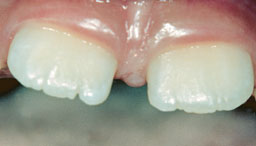
A serrated edge
The incisors of the permanent teeth have a serrated edge. Baby teeth do not. The serrated edge consists of three bumps on the cutting surface. The serration disappears over time due to natural wear and tear.
Permanent teeth have stronger enamel than milk teeth. Compared to white milk teeth, permanent front teeth appear darker and/or more yellow in colour. This is normal. Brushing will not help to lighten their colour.
Abnormalities in the development of children's teeth
In some cases, teeth develop abnormally. Your dentist or dental hygienist will notice this during your regular check-up. They will then discuss the necessary measures with you. The following abnormal developments require advice from your practitioner:
- Your child is almost eight years old and still hasn't started changing.
- There is a gap of more than six months between the replacement of a tooth on the left and right sides of the jaw.
- A new tooth is coming through, but the milk tooth is still firmly in place. The new tooth then appears in front of or behind the milk tooth.
- Your son or daughter experiences prolonged pain during puberty compared to their peers.
Please note: good oral hygiene remains essential, even if brushing your teeth is painful.
Temporary crooked teeth in children's teeth
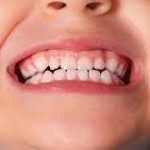
The teeth of the permanent dentition may erupt slightly crooked. Sometimes many teeth erupt at the same time. This can make it appear as if there are ‘too many’ teeth in that small mouth. This is not a concern, as the jaw will continue to grow for a while. This will create more space for the permanent teeth. Often, the position of the teeth will eventually correct itself.
Care when changing
Thumb sucking
Many toddlers suck their thumb, dummy or finger. Some children press their tongue against the roof of their mouth when swallowing and press it between their upper and lower teeth. Thumb, finger or dummy sucking and tongue pressing affect the position of the teeth. Try to wean your child off sucking and tongue pressing. Do this before the permanent front teeth come through. For example, give your child something to hold or distract them during the day. Or reward your child when they have stopped for a certain period of time. Are you unable to break these bad habits? Then ask your dentist or dental hygienist for advice.
Brushing and re-brushing in children
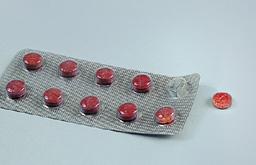
You can buy plaque indicators at the chemist's.
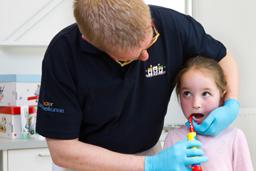
Children usually want to brush their teeth themselves from an early age. That's fine. Encourage them to do so. However, they may not do this thoroughly everywhere. Brush your children's teeth at least once a day until they are 10 years old, even if your child uses an electric toothbrush. Older children can usually brush their teeth independently. Even then, it doesn't hurt to check occasionally whether their teeth are clean. You can use plaque disclosing tablets for this. These are red-coloured tablets that make plaque visible. You can buy the tablets at the chemist's. Is brushing (or re-brushing) causing problems? Then ask your dentist or dental hygienist for advice.
When polishing or repolishing, please note the following:
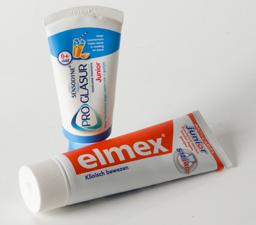
- Brush the teeth of children aged 5 and older twice a day with fluoride toothpaste for adults. You can also use toothpaste labelled ‘children’ or ‘junior’. Check the age range indicated on the label (e.g. 5-12 years).
- Use a special toothbrush for children's mouths. Choose one with soft bristles and a small brush head. Do not press too hard. Replace the toothbrush when the bristles are no longer aligned. As soon as children can hold a toothbrush, they can also brush with an electric toothbrush. Electric toothbrushes are not better for children, but some children cooperate better when you use an electric toothbrush.
- Brush at least once a day, even if your child uses an electric toothbrush.
- Ensure you have a clear view of the mouth and that your child's head is adequately supported when brushing or re-brushing. Try out different brushing positions to find the one that is most comfortable for you. For example, stand diagonally behind your child. Supporting their chin with your hand will keep their head steady.
against your upper body. Lean over your child slightly so that you can see where you are brushing. Or stand in front of your child and let them rest their head against the wall, for example. Support their chin with one hand while brushing with the other. This way, you can see where you are brushing. - When polishing, pay extra attention to the breaking through
back teeth. Place the brush across the row of teeth. - Does your child wear braces that cannot be removed? If so, pay extra attention to brushing and flossing. Plaque can easily accumulate between the braces and the teeth. Ask your dentist or dental hygienist for advice on the best way to brush and floss.
- Are your gums bleeding despite good brushing technique? Consult your dentist or dental hygienist. Your child may need additional aids.
Food, drink and children's teeth
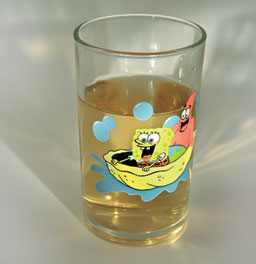
Apple juice is also a snack that is high in acid and sugar.
In addition to thorough brushing, polishing and check-ups by the dentist or dental hygienist, it is important to pay close attention to your child's diet. Plaque forms on and between the teeth: a barely visible, sticky white-yellowish layer. The bacteria in plaque convert sugars (e.g. from sweets, biscuits, soft drinks and fruit) and starch (e.g. from potatoes, pasta, bread or crackers) in the mouth into acids. These acids cause cavities (caries) in the teeth. Soft drinks, fruit (juice) and sports drinks, for example, contain acids as well as sugars. These acids can dissolve tooth enamel. This form of wear is called tooth erosion. To prevent cavities and tooth erosion, limit the number of times your child eats and drinks to a maximum of seven times a day: three meals and a maximum of four snacks per day. Encourage your child to drink tap water.
Treatments during the transition period in children
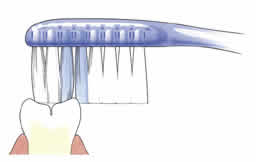 Toothbrush does not fit into the groove
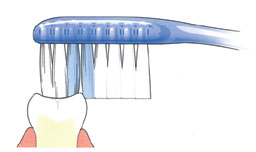 Toothbrush reaches the sealed surface
Cavities in baby teeth
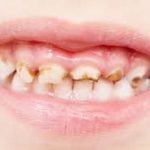
The most common problem with milk teeth is cavities, also known as caries. These usually start in the molars. You can prevent cavities by brushing your teeth carefully and eating a sensible diet. This can also stop cavities in their early stages and prevent them from getting bigger. The dentist or dental hygienist will give appropriate advice on nutrition and brushing teeth. Cavities that do get bigger can cause pain or inflammation. This can also cause damage to the permanent teeth. Sometimes the dentist or dental hygienist will need to remove the caries (drill) and fill the molar. They will be happy to explain to you and your son or daughter why they have chosen this approach.
It is important for several reasons that a cavity (caries) in a milk tooth does not get bigger:
- A cavity can lead to pain and inflammation.
- The milk teeth must continue to function for a while to keep space free for the permanent teeth.
- Inflammation in the milk teeth can affect the permanent teeth.
Sealing
Teeth have many grooves on their chewing surface. Plaque easily accumulates in these grooves. Plaque that is not removed regularly can cause cavities. So brush well! If the dentist or dental hygienist sees that a cavity is developing in the chewing surface, they may decide to apply a coating. This is called sealing. Sealing can seal deep grooves. Normally, only permanent molars are eligible for sealing. This is usually done shortly after they have fully erupted. Sealed molars must also be brushed thoroughly.
Extra fluoride
If cavities are likely to develop, the dentist may recommend additional fluoride use. For example, he may recommend brushing your teeth an extra time or using a fluoride mouthwash. The dentist may also decide to apply extra fluoride himself using a brush or spoon. Brushing your teeth remains the basis of dental care.
Would you like more information about extra fluoride? Click here. here.
What to do in the event of an accident?
An accident can cause a tooth to fall out or become damaged. In such situations, contact your dentist immediately. Find all loose pieces or the entire tooth as quickly as possible and take them with you to the dentist. Never put a lost milk tooth back in place. This could damage the new permanent tooth. Keep a knocked-out tooth or broken piece of tooth moist., preferably with milk. It is best not to rinse the tooth under the tap. No milk available? Then store the tooth or part of the tooth separately in the parent/carer's mouth, preferably in the space between the molars and the cheek.
For further information, see: dental injury
Want to know more?
Then download the free GezondeMond app. The app is available for Android and tablets, available via Google Play. The app for iPhone and iPad can be found in the iTunes App Store..
<< Back© Ivory Cross