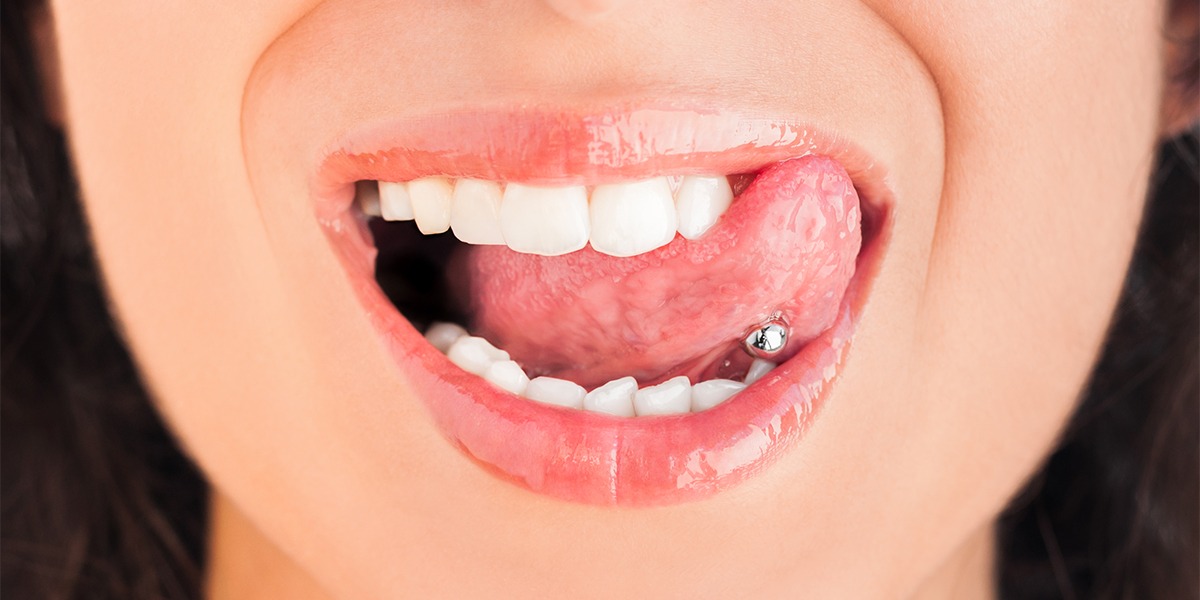
Oral piercings can affect your oral health and your overall health

Body decoration is of all times and occurs in all kinds of societies. People used to decorate their bodies to distinguish themselves or show that they belonged to a particular group. For instance, Egyptian pharaohs pierced their navels, Roman soldiers pierced their nipples and Mayans pierced their tongues to prove their courage and masculinity. In Eastern cultures, Hindus and Chinese decorated their lips, jaws and tongue with various materials. In Europe and North America, body piercings were mostly seen among ‘punks’ and followers of subcultures as a symbol of deviance and rebellion. Piercings are now commonplace and increasingly popular, especially among young adults. These days, wearing a piercing does not automatically mean belonging to a subculture. For those who are considering or have already got an oral piercing, the choice of material, location in the mouth, quality of application and maintenance is very important. Not just for your oral health, but for your overall health.
In your tongue or in your lip?
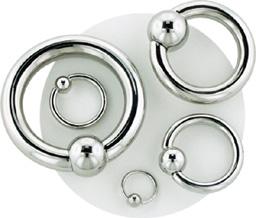
Of the oral piercings, one in the tongue is the most common. It is a straight or curved bar of metal with a small ball at the two ends. The piercing can be opened by twisting open one of the two little balls at the end. Tongue piercings are often placed in the centre of the tongue.
After that, a piercing in the lip is the most popular. With lip piercings, all areas around the lip line qualify. A lip piercing is often a straight rod with a flat back on the inside of the mouth so that the jewellery can be worn without discomfort. Other places include the cheek, lip band and tongue strap.
If the piercing is done according to general hygiene rules, the risk of complications is low. A professional and experienced piercer will be able to prevent long-term problems. He will know where to apply the piercing and give proper instructions.
Age limit and statement
It is illegal in the Netherlands to pierce children under 12 years of age, except for pierced earlobes. If you are over 16, you are free to decide on having piercings pierced. Between the ages of 12 and 16, a parent or guardian must give written consent and come with you as an escort. Before your piercing, you must fill in a consent form. This includes questions about your health, information about voluntariness and the risks of piercing.
The right materials

In the Netherlands, piercers use safe materials. Piercings are often made of surgical steel or titanium. A piercing should be free of nicks, scratches, raised edges and polishing materials. They should also have a high-gloss reflective outer layer and a super smooth surface. Jewellery that does not meet these requirements, looks dull or is grey in colour should not be inserted into your body. The chances of the right materials causing allergic reactions such as eczema or skin inflammation are extremely low.
Choose a qualified piercer
There is a law in the Netherlands that applies to piercing. The National Centre for Hygiene and Safety has drawn up hygiene guidelines. Piercers are obliged to comply with these guidelines. Those who comply receive a licence. The GGD and the Food Inspection Department check annually whether piercing studios comply with the guidelines. Working unhygienically poses serious health hazards (infections, Hepatitis B and C and HIV). For example, a piercer must use sterilised instruments and safe materials. He also wears gloves and uses needles once. In addition, the premises and staff must meet strict requirements. So don't just choose the first the best shop! On www.veiligtatoeerenenpiercen.nl can be found which piercers are licensed.
Setting the piercing

Piercing is relatively quick and easy. Anaesthesia is not common. Some people feel nothing from the piercing. Others feel uncomfortable for a moment during the piercing.
Piercing should be done with a new sterile cannula needle (IV needle) under sterile conditions. First, the piercer marks the spot where the piercing should go. Check it yourself! For a tongue piercing, make sure it is placed far enough back so that the piercing does not touch your teeth and gums. Then the piercer disinfects the area where your piercing will go. Next, the cannula needle goes through the tissue. The jewellery is on the blunt side of the needle. As he pulls the needle through the hole, the piercing comes into place. Sometimes some blood is released during this process. The piercer has to make sure that the ends of the jewellery are tight. Check this carefully yourself every day to make sure your piercing stays in place.
Resources
Very mobile body parts, such as the tongue, can be clamped to give them stability during piercing. When piercing, the piercer inserts a longer rod into the tongue because the tongue will swell. It prevents the piercing from growing in. Piercings should be inserted perpendicularly through the tissue as much as possible.
Piercing yourself?
It is not wise to pierce yourself. The instruments used for piercing are not sterile and therefore unsuitable. Also, ‘do-it-yourselfers’ often drill in the wrong place, which can hit blood vessels or nerves and prevent the jewellery from staying in place properly. The risk of infection in self-piercing is high.
Healing
Swelling is normal for the first five days after piercing. The tissue may bleed slightly, be bruised and sensitive. A slight discharge of white-yellow wound fluid is also normal. The healing time varies per piercing and per person and depends on any complications that arise. Your own wound and oral care will also affect the healing time. For tongue piercings, this process can take between four and six weeks, and seven to nine weeks for lip piercings. Do not remove your piercing during healing, unless there is an allergic reaction. This will prevent infection and closure of the hole.
Aftercare for oral piercings
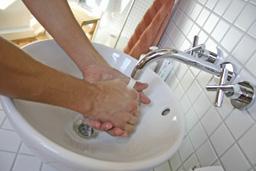


Immediately after setting
Aftercare for tongue piercings is more complicated than for other oral piercings, because the healing wound comes into contact with anything that enters the mouth. It is recommended not to smoke during the healing process. In case of infection, it is recommended to rinse your mouth with a mouthwash containing 0.05% to 0.2% chlorhexidine (CHX). When doing so, follow the instructions on the packaging.
New piercings are open wounds and can lead to infections. The risk of infection is negligible if you provide proper aftercare. There are several measures you can take to help the wound heal as quickly as possible:
- Wash your hands before touching the piercing or pierced area.
- No French kissing and no oral sex. Prevent other people's bodily fluids from coming into contact with your wound.
- Ensure good oral hygiene. Plaque and tartar can also develop on oral piercings.
- Don't chew gum, don't smoke and use alcohol in moderation. Don't chew your nails, pens or other things either.
- Do not use cosmetics or other beauty products in the area where your piercing has been done.
- Leave your piercings in place throughout the healing process.
- Don't play with your piercing.
- Be careful while exercising.
Oral care after healing
Oral hygiene is the key word for oral piercing wearers. Clean your piercing thoroughly daily so that plaque and tartar have no chance of adhering to your piercing. Use a mild liquid soap to clean your piercing. Brush your teeth carefully for two minutes twice a day using a soft toothbrush with fluoride toothpaste. Brush after breakfast and before going to bed. Consult with your dentist or dental hygienist about which tool to use to clean the spaces between your teeth.
Rod replacement
Replace the long rod with a shorter one when the swelling has gone down and the wound has healed. An oral piercing should not touch your gums when eating and talking. If a tongue piercing is placed far enough back, the piercing will not touch your teeth and gums even when your mouth is closed.
Insert a well-fitting jewellery. This will prevent damage to teeth and gums.
Taking your piercing to the dentist
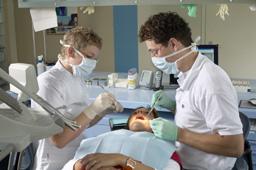
Let your dentist or dental hygienist know if you wear an oral piercing. They can regularly check if your piercing is affecting your oral health. In case of anaesthesia in the lower jaw, the practitioner may ask to remove your piercing. Going to hospital? Make sure you remove your oral piercing(s) if X-rays of your head and neck area need to be taken. Some mouth piercings can cause problems with the operation of breathing equipment and can therefore make hospital treatment more difficult.
Problems caused by mouth piercings
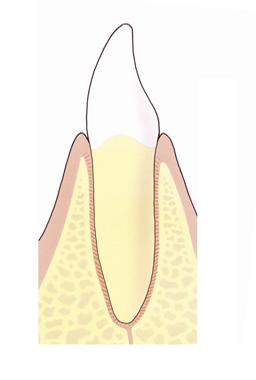 Healthy gums
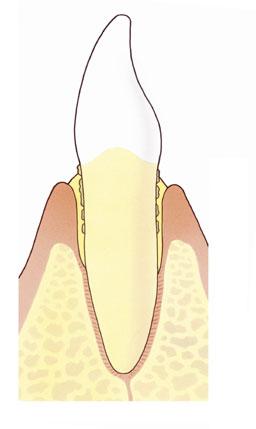 Retracted gums
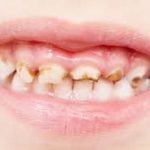
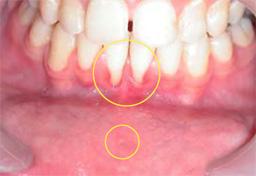 Gum recession [Photo: Levin L, Zadik Y. Am J Dent. 2007 Oct;20(5):340-4].
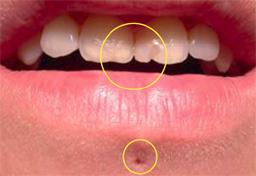 Tooth fracture [Photo: Levin L, Zadik Y. Am J Dent. 2007 Oct;20(5):340-4].
Oral piercings can cause several (serious) problems. Not only can they damage your teeth and gums. They can also be a threat to your general health. Complications that can occur immediately upon placement are: fainting, breathing problems, prolonged post-bleeding, infections, inflammations and abscesses. After long-term healing, ingrowth, gum inflammation, gum recession, tooth breakage, breakdown of tooth bone, ingestion of piercings, facial pain and tetanus infection are the problems.
Infection and inflammation after application
Oral piercings can cause infections. Pain, redness, swelling, warmth and possibly wound fluid are hallmarks of an inflamed wound. If an infection does not go away with normal remedies, contact your GP or piercer. Your piercing may need to be removed.
Infection of the heart
Despite good hygiene measures, bacteria enter the bloodstream through the piercing wound. A healthy body immediately renounces small amounts of bacteria. In a less healthy body, bacteria are more likely to survive. Through the bloodstream, bacteria can reach the heart. If they settle in the heart and/or on the heart valves, a serious infection can develop. This infection (endocarditis) must be treated acutely (surgically) in hospital. Tongue piercings are often found as a source of infection.
Growing in
Tongue but also lip piercings can grow into the tissue in which they are set. Tongue piercings grow in mainly at the top of the tongue. Lip piercings can fuse with the soft tissue on the inside of the mouth. In many cases, the piercing needs to be surgically removed.
Gingivitis
With an oral piercing, you are more likely to get inflamed gums. Red, swollen or bleeding gums usually indicate it. Mainly bacteria are the cause of inflamed gums. Often, inflammation of the gums is superficial. In worse cases, the inflammation can progress further, affecting and breaking down the jawbone underneath. This can even cause your teeth to become loose and fall out. With good oral hygiene, you can prevent gum disease.
Gum recession
Lip piercings in the lower lip can be responsible for gum recession. However, tongue piercings can also have that effect. Lip piercings mainly cause gum recession at the front of the teeth. Tongue piercings, on the other hand, on the back. The roots of the lower incisors may become (partially) exposed. The roots of your teeth do not have a strong layer of enamel. They consist of dentine. In this porous material are canals connected to the nerve cavity inside the tooth. If your gums close the canals, you won't notice anything. When the gums are gone, hot, cold, salty or acidic stimuli cause the fluid in those canals to move. That movement irritates the nerves and thus causes the pain. Once receded gums do not return.
Tooth break
Oral piercings can cause tooth fracture. The fracture may be limited to small pieces of enamel but large parts of the tooth can also break off. With tongue piercings, in most cases the posterior large molars suffer damage, followed by the incisors and small molars. Most damage to the teeth is done when the tongue piercing is played with (rubbing, biting, tapping).
What can you do to minimise the damage caused by mouth piercings?
Gum recession [Photo: Levin L, Zadik Y. Am J Dent. 2007 Oct;20(5):340-4].Tooth fracture [Photo: Levin L, Zadik Y. Am J Dent. 2007 Oct;20(5):340-4].
First of all, think carefully about whether you really want to get an oral piercing. Do you decide to go for an oral piercing anyway? Then always choose a professional piercer to avoid unnecessary damage to nerves and blood vessels. Get good advice. Always maintain good oral hygiene and visit your dentist or dental hygienist twice a year for a check-up.
Still have questions? If so, contact a dentist or dental hygienist. More information is also available via www.ggd.nl, www.vppn.nl and on www.veiligtatoeerenenpiercen.nl.
Want to know more?
Then download the free GezondeMond app. The app is available for Android and tablets, available via Google Play. The app for iPhone and iPad can be found in the iTunes App Store..


<< Back© Ivory Cross